
Where
Our Products Fit
Find Your
Space
EXPLORE BY
AGE
Design
Resources
Newsletter
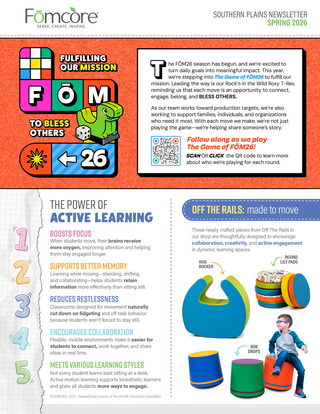
THE POWER OF ACTIVE LEARNING
Discover how movement-based learning environments help students stay focused, engaged, and collaborative. This issue highlights the benefits of active learning and features Off The Rails pieces designed to support creativity, flexibility, and motion in modern educational spaces.
Read More >>Discover how movement-based learning environments help students stay focused, engaged, and collaborative. This issue highlights the benefits of active learning and features Off The Rails pieces designed to support creativity, flexibility, and motion in modern educational spaces.
Check Out Our Blog!
Round 2 of the Game of FŌM26 is underway! From June 8 through July 3, our team is #PlayingItForward in support of Maximiliano Maceda.
Read More >>
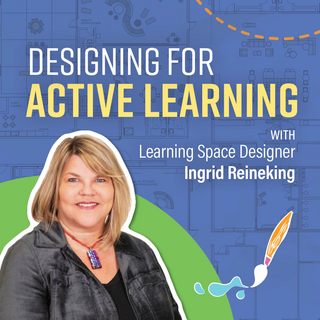
In a recent conversation with Learning Space Designer Ingrid Reineking, we discussed what active learning means and how learning environments can be designed to support it.
At its core, active learning shifts students from passive listeners to active participants in the learning process. Through discussion, collaboration, exploration, and hands-on engagement, students take a more active role in how they learn.
For a deeper look at active learning and why it matters in today's classrooms, be sure to check out our previous blog on the topic.
During our conversation, Ingrid challenged us to think about active learning in a broader way. While many people associate active learning with student movement and participation, she explained that active learning also depends on the flexibility of the environment itself.
Read More >>At its core, active learning shifts students from passive listeners to active participants in the learning process. Through discussion, collaboration, exploration, and hands-on engagement, students take a more active role in how they learn.
For a deeper look at active learning and why it matters in today's classrooms, be sure to check out our previous blog on the topic.
During our conversation, Ingrid challenged us to think about active learning in a broader way. While many people associate active learning with student movement and participation, she explained that active learning also depends on the flexibility of the environment itself.
Sign Up for our Newsletter!
Each month you'll receive what's new at Fōmcore, inspiration for your space, and more.


